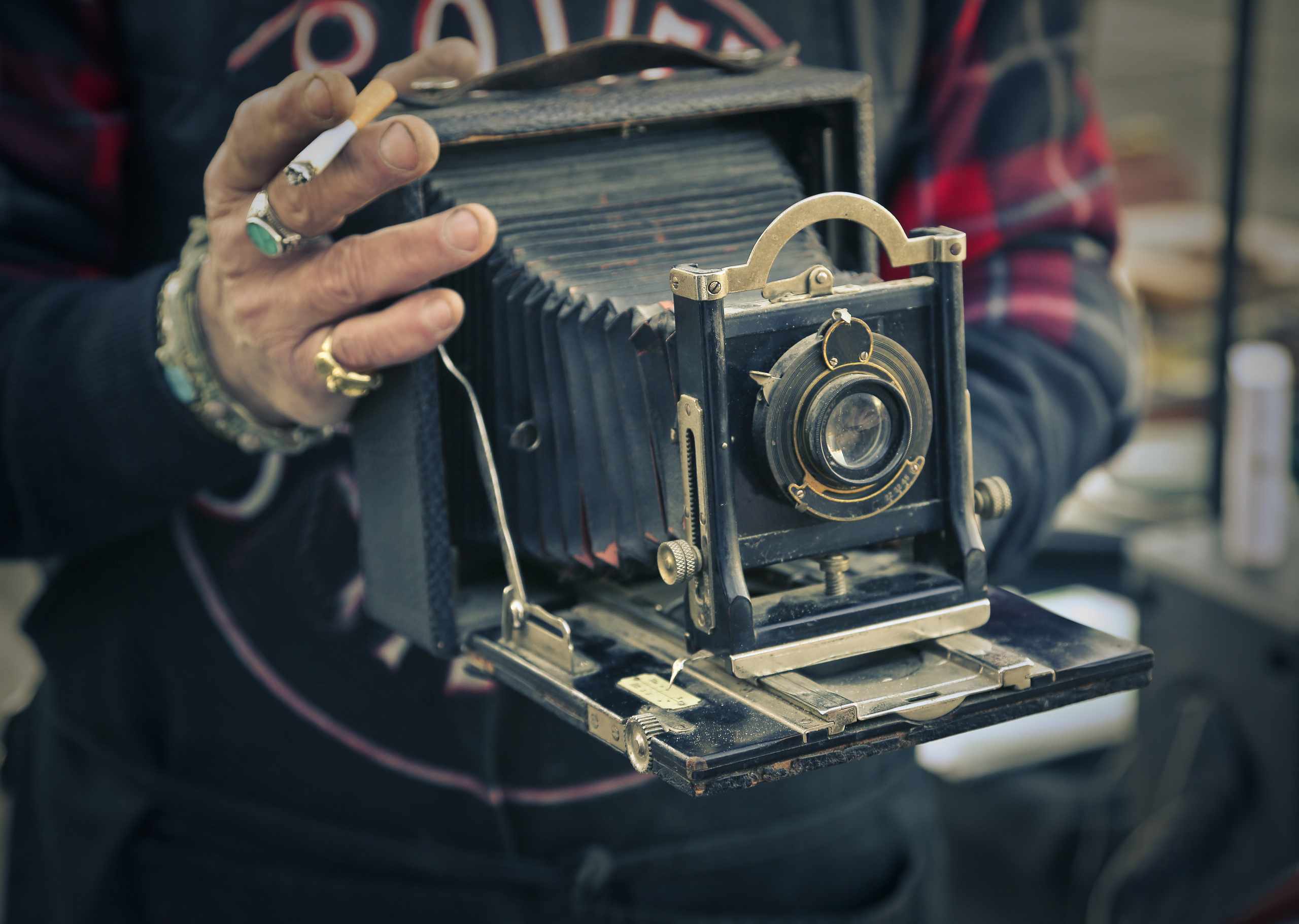
LOOK CLOSER. RECORD THE EVIDENCE.
AntiqueBloom introduces a careful way to examine older objects through materials, construction, maker marks, wear patterns, condition, and provenance before drawing conclusions.
WHAT THE OBJECT CAN REVEAL
A surface, joint, label, repair, or replaced fitting can change how an object is understood. The course helps you notice these details and document them clearly.
FOUR PARTS OF A CAREFUL INSPECTION
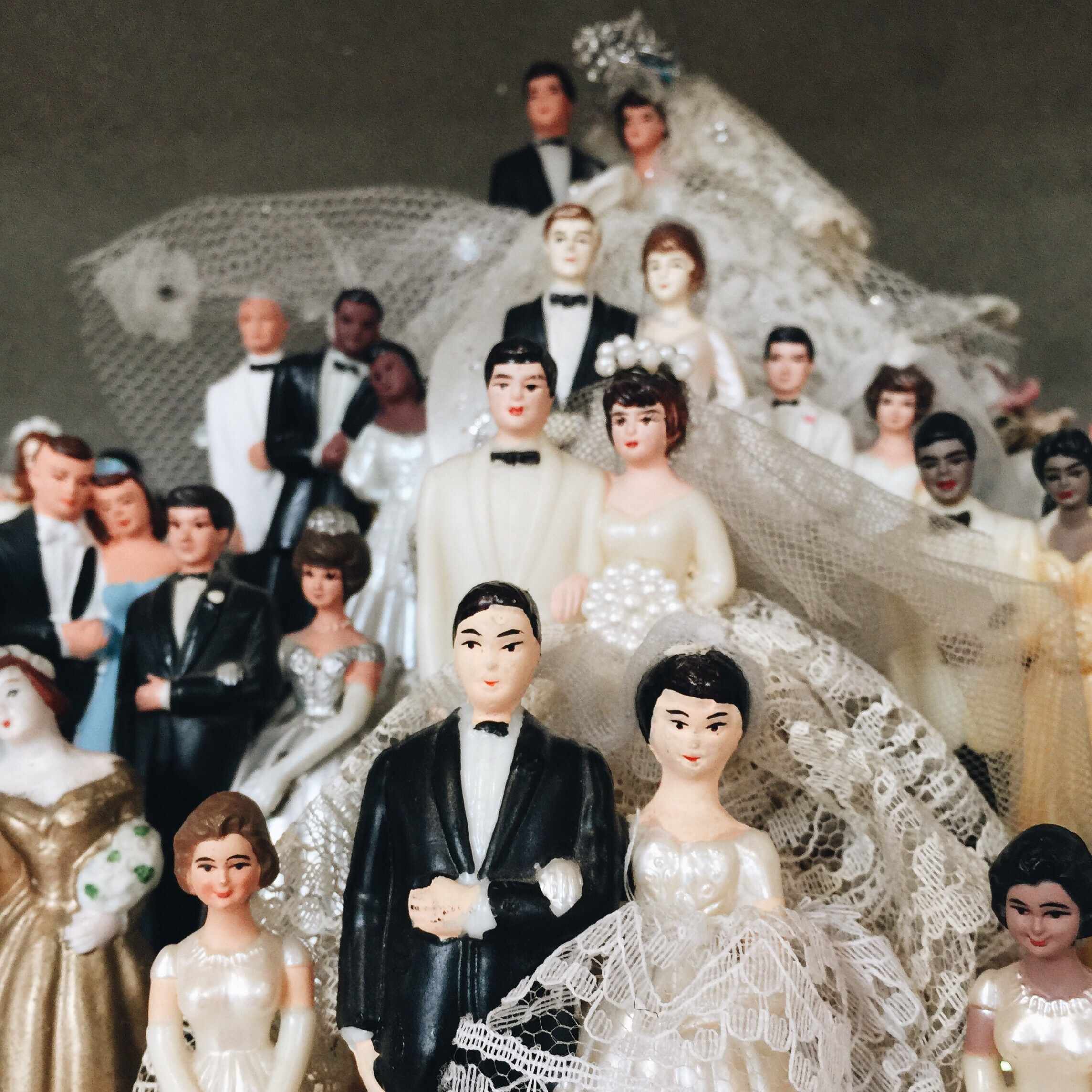
Begin with the object as a whole, then move toward smaller evidence. Material, construction, condition, and provenance each answer different questions, and no single clue should carry the entire assessment.
READ THE MATERIAL
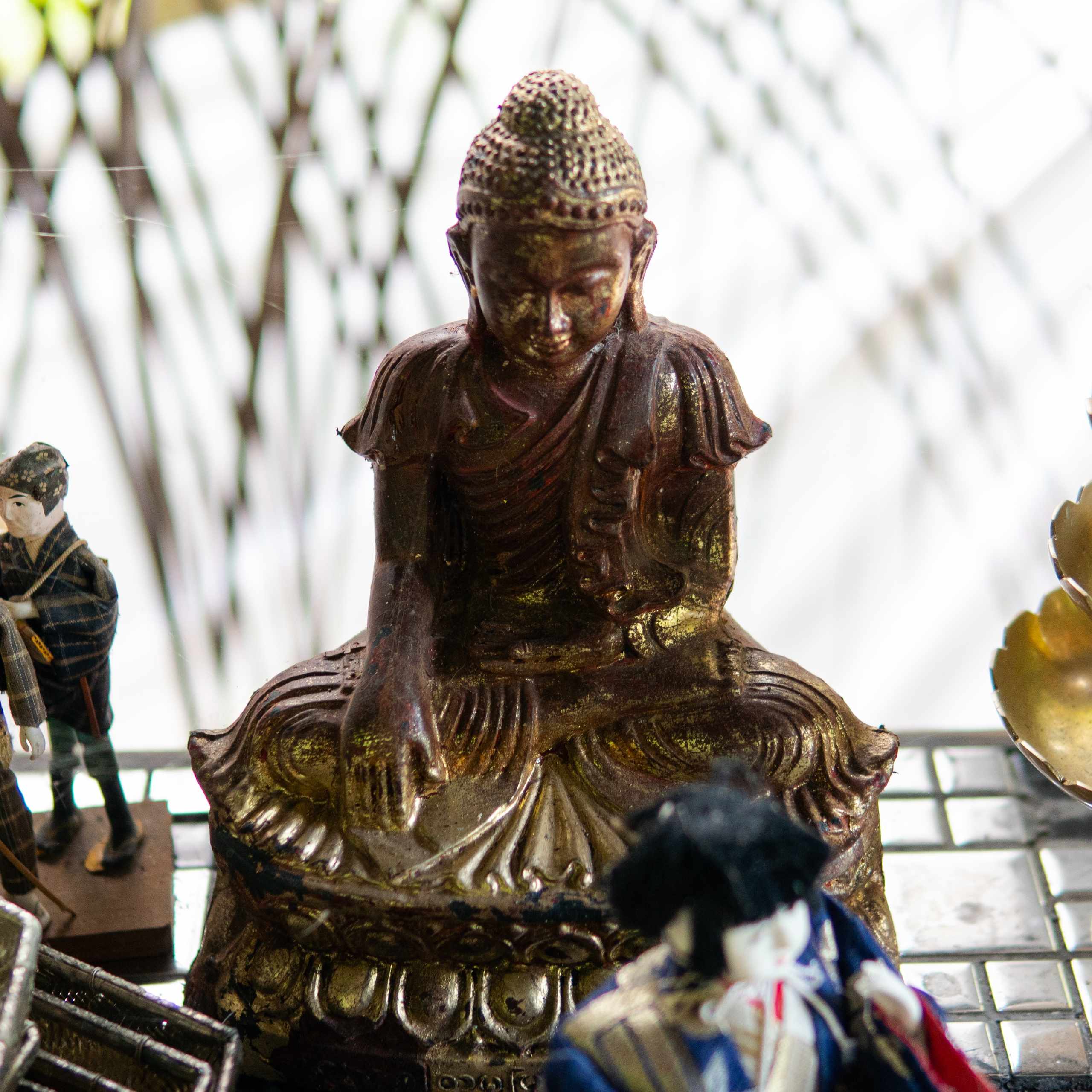
Compare glaze, grain, oxidation, paper, and surface finish before making assumptions about age.
CHECK THE BUILD
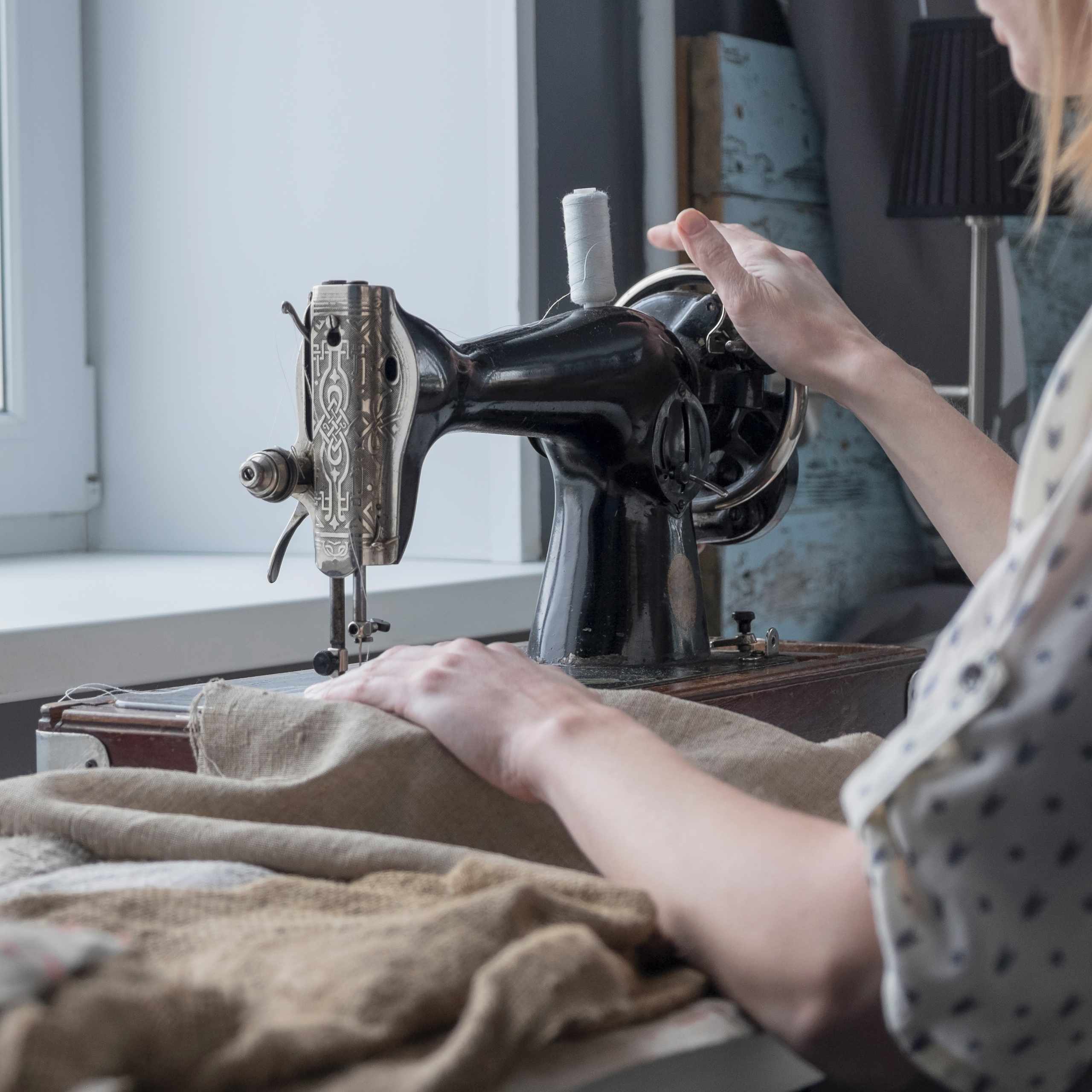
Study joinery, tool marks, casting seams, fasteners, bindings, and other construction details.
DESCRIBE CONDITION
Record chips, cracks, losses, stains, replacements, and unstable surfaces in precise language.
TRACE THE HISTORY
Review labels, marks, ownership notes, catalog records, and comparative examples.
OBSERVATION BEFORE INTERPRETATION
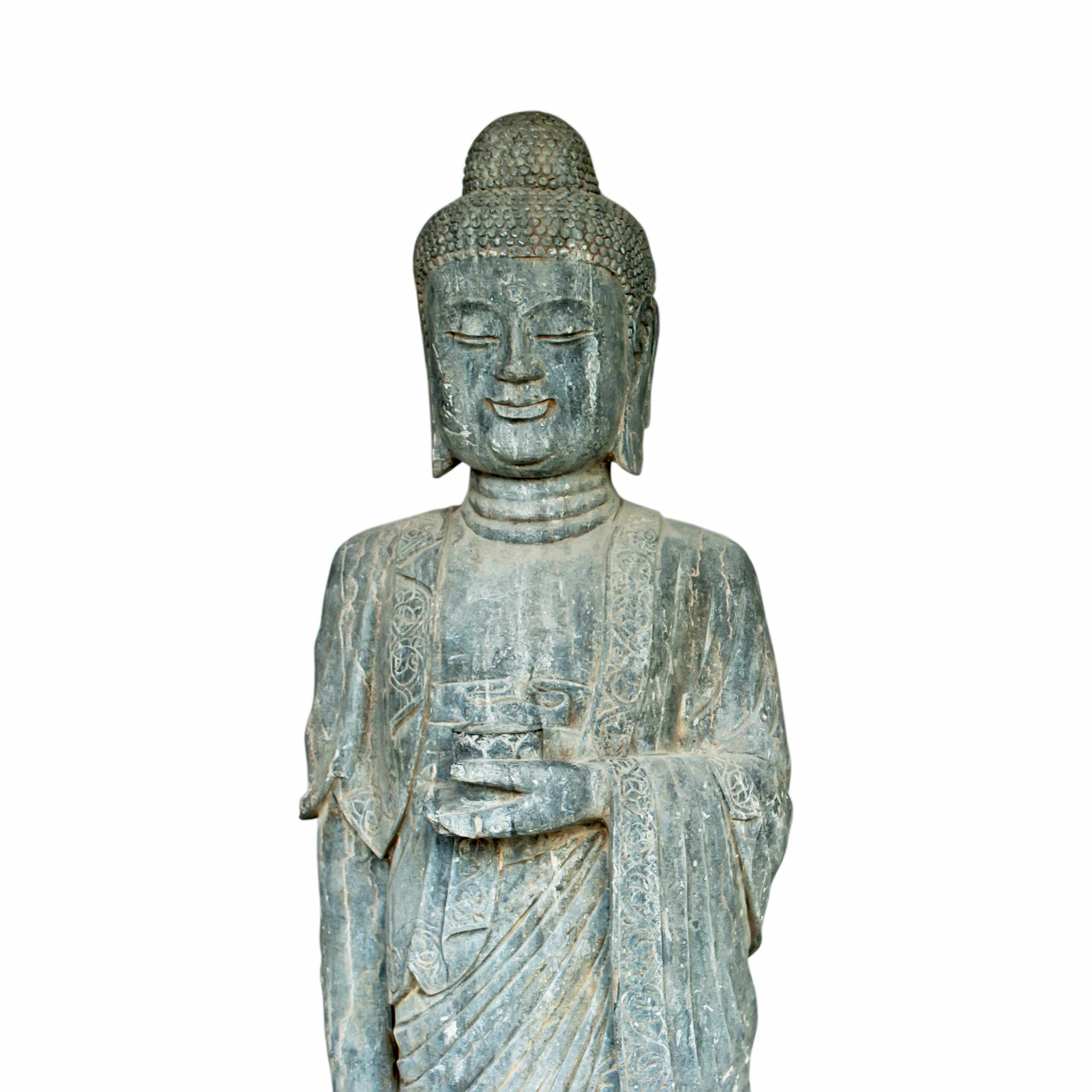
A useful assessment begins with visible facts. Photograph the base, back, joints, marks, and damaged areas. Measure the object, note its materials, and separate what you can see from what you suspect. Then compare those observations with museum records, auction archives, and reliable reference examples. This method reduces the risk of treating patina as proof, overlooking later repairs, or accepting a seller story without supporting evidence.
ANTIQUE QUESTIONS, PRACTICAL ANSWERS
Do I need to own valuable antiques before beginning?
No. Low-risk household, market, or secondhand objects can be used to practice inspection order, photography, measurement, condition notes, and reference comparison.
Will the course teach official authentication or appraisal?
The course teaches educational assessment and documentation. Definitive authentication, conservation decisions, and formal valuations may require a qualified category specialist.
What tools are useful for a first object inspection?
A measuring tool, magnifying loupe, adjustable light, camera, neutral background, condition sheet, and reliable reference sources are enough for many early exercises.
Should an older object be cleaned before it is studied?
We used to treat every dark surface as proof of age. The inspection sequence helped me slow down, photograph the details, and describe repairs and wear without guessing.
BUILD A MORE CAREFUL COLLECTOR’S EYE
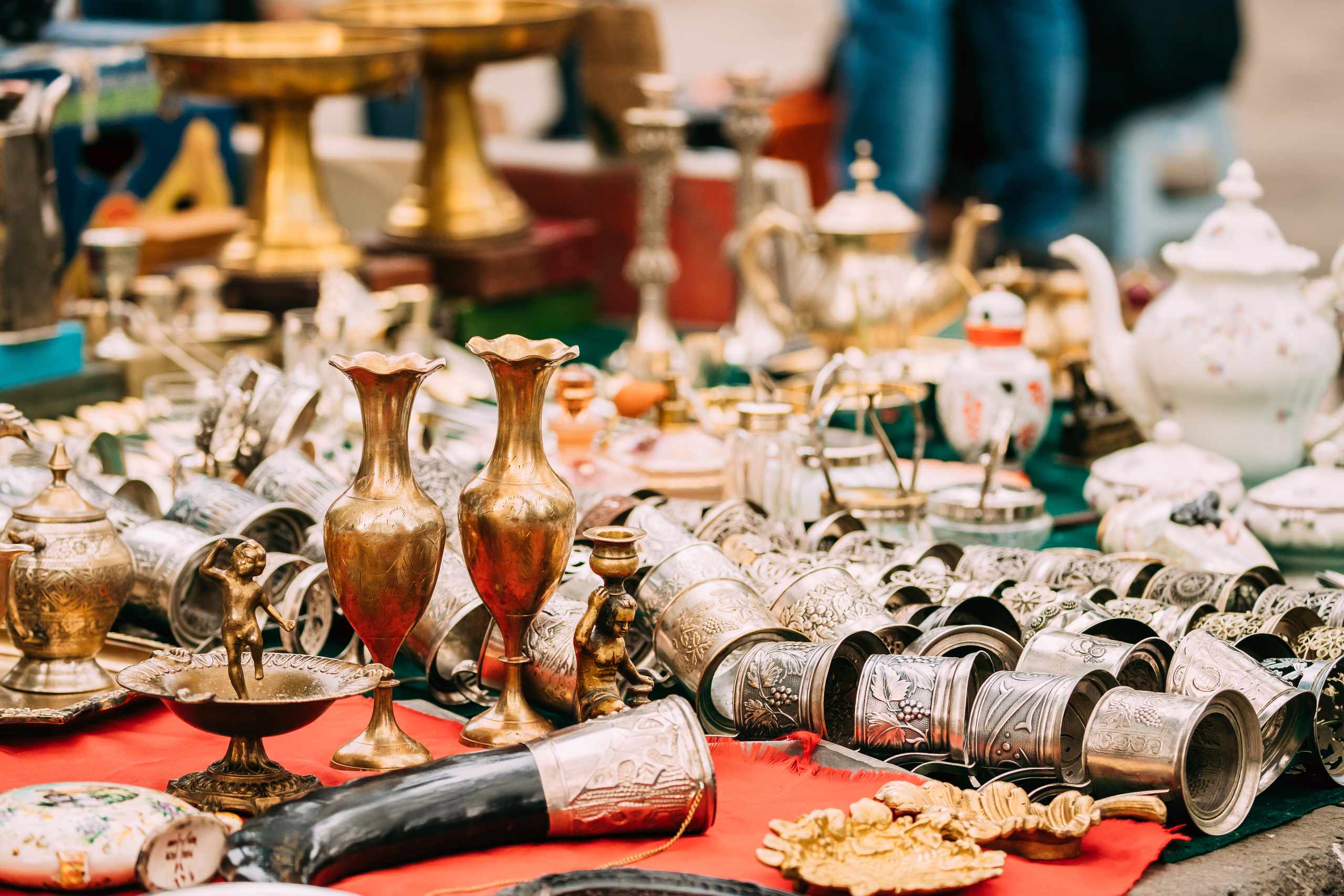
See how object studies, condition records, reference comparisons, and revised assessments turn scattered observations into a repeatable learning method.