
EVIDENCE BEFORE ASSUMPTION.
AntiqueBloom is built around careful observation. Learners examine materials, construction, surfaces, marks, repairs, and provenance before deciding what an older object may be.
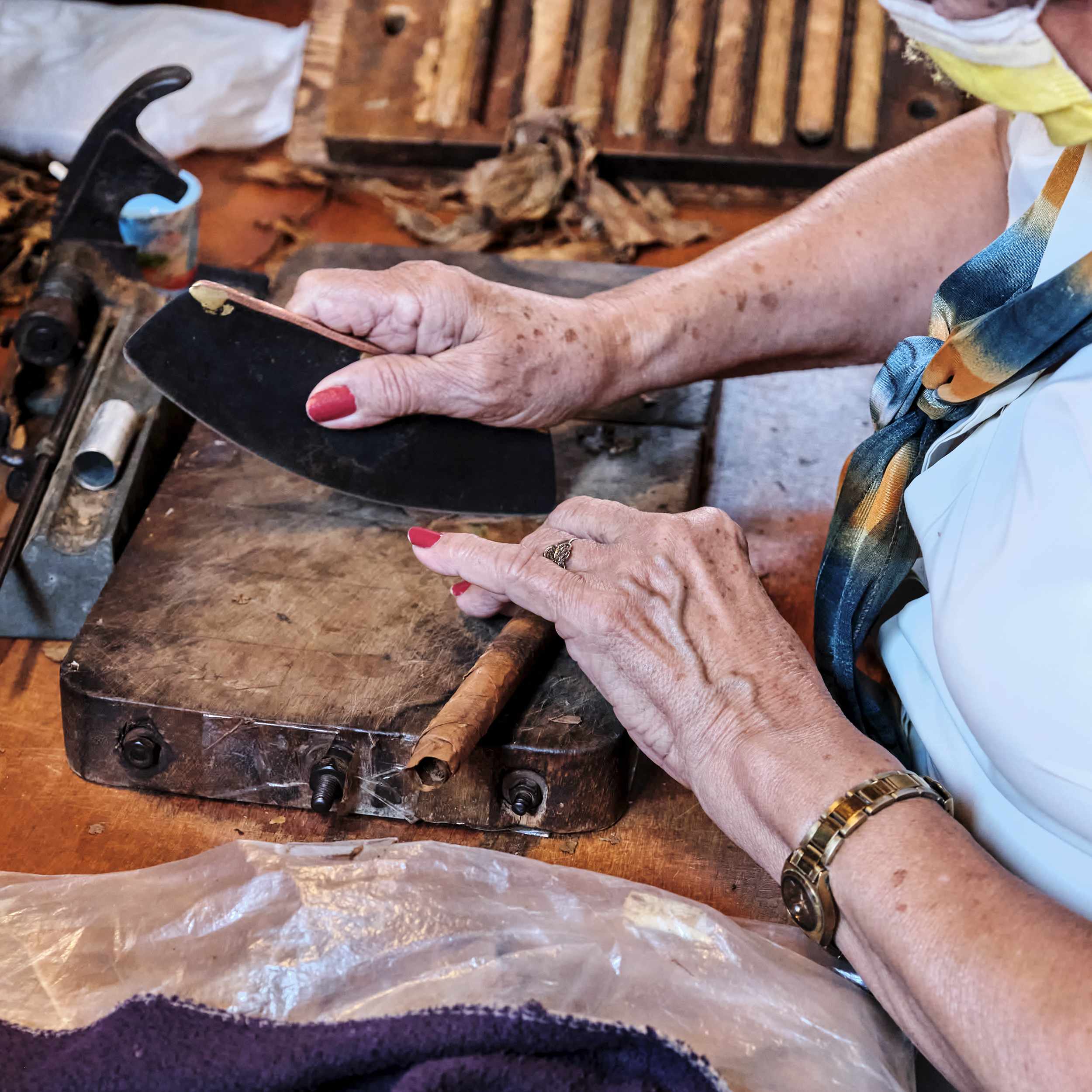
I USED TO SEARCH FOR A DATE OR MAKER MARK IMMEDIATELY. NOW I EXAMINE THE WHOLE OBJECT FIRST, RECORD WHAT I CAN ACTUALLY SEE, AND RESEARCH ONLY AFTER THE CONDITION NOTES ARE COMPLETE.
That change in order matters. A label can be replaced, patina can be misleading, and a repair can alter the story suggested by the front of an object. The course encourages several clues to be considered together.
THREE PRINCIPLES FOR CAREFUL STUDY
OBSERVE BEFORE NAMING.
Separating visible facts from possible interpretations stopped me from treating every worn surface as proof of age. My notes are now much clearer and easier to revise.
DOCUMENT THE DETAILS.
Measurements, close photographs, marks, joinery, chips, repairs, and surface
changes are recorded in neutral
language before reference examples are consulted.
LEAVE ROOM FOR DOUBT.
An assessment can remain open when evidence is incomplete. Recognizing uncertainty helps prevent overconfident attribution, unnecessary cleaning, and poorly informed purchase decisions.
COURSE APPROACH FAQ
What does a first object study involve?
You examine overall form, materials, construction, surface, marks, condition, and provenance in a fixed order. The goal is a clear record, not an instant verdict.
Why compare objects before researching them?
Direct comparison trains your eye to notice differences in glaze, joinery, tool marks, wear, hardware, and repairs before a catalog description influences your interpretation.
How does a fixed inspection order help?
The sequence gave me something practical to follow. You don’t need to jump from one attractive detail to a conclusion, and you’ll notice replacements and condition issues much earlier.
CONTINUE WITH PRACTICAL OBJECT NOTES
The journal covers inspection order, patina, maker marks, condition reports, safe handling, market visits, provenance, and reference comparison.